
Verification of Nuclear Medicine Permits at Bali International Hospital, Denpasar City, and Radioisotope and Radiopharmaceutical Production Permits at Abdul Wahab Sjahranie Regional General Hospital, Samarinda City
Kembali 16 Juni 2025 | Berita BAPETEN | 375 lihatThe Nuclear Energy Regulatory Agency (BAPETEN), through the Directorate of Licensing of Radiation Facilities and Radioactive Materials (DPFRZR), conducted a series of verification activities for nuclear medicine facilities at Bali International Hospital (BIH) in Denpasar City, Bali Province, and radioisotope and radiopharmaceutical production facilities at Abdul Wahab Sjahranie Regional General Hospital, Samarinda City, East Kalimantan Province, from June 16 to 19, 2025. The verification activities for nuclear medicine facilities and radioisotope and radiopharmaceutical production facilities aimed to ensure that the design calculations for the radiation containment building, main equipment, supporting equipment, human resources, and procedures met radiation safety and radioactive source security requirements for the safety of workers, patients, the public, and the environment.
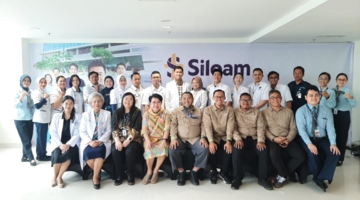
The BAPETEN inspection team verifying permits at the Nuclear Medicine Facility at BIH consisted of Iin Indartati, the activity manager of the BAPETEN Health Facility Licensing Function Group of DPFRZR, and team members Made Pramayuni, Maradi Abdillah, and Yaya Umaya. The team leader for radioisotope and radiopharmaceutical production permits at the Abdul Wahab Sjahranie Hospital Cyclotron facility was Herry Irawan, with team members Ahmad Maulana and Toni Wahyu Pamungkas.
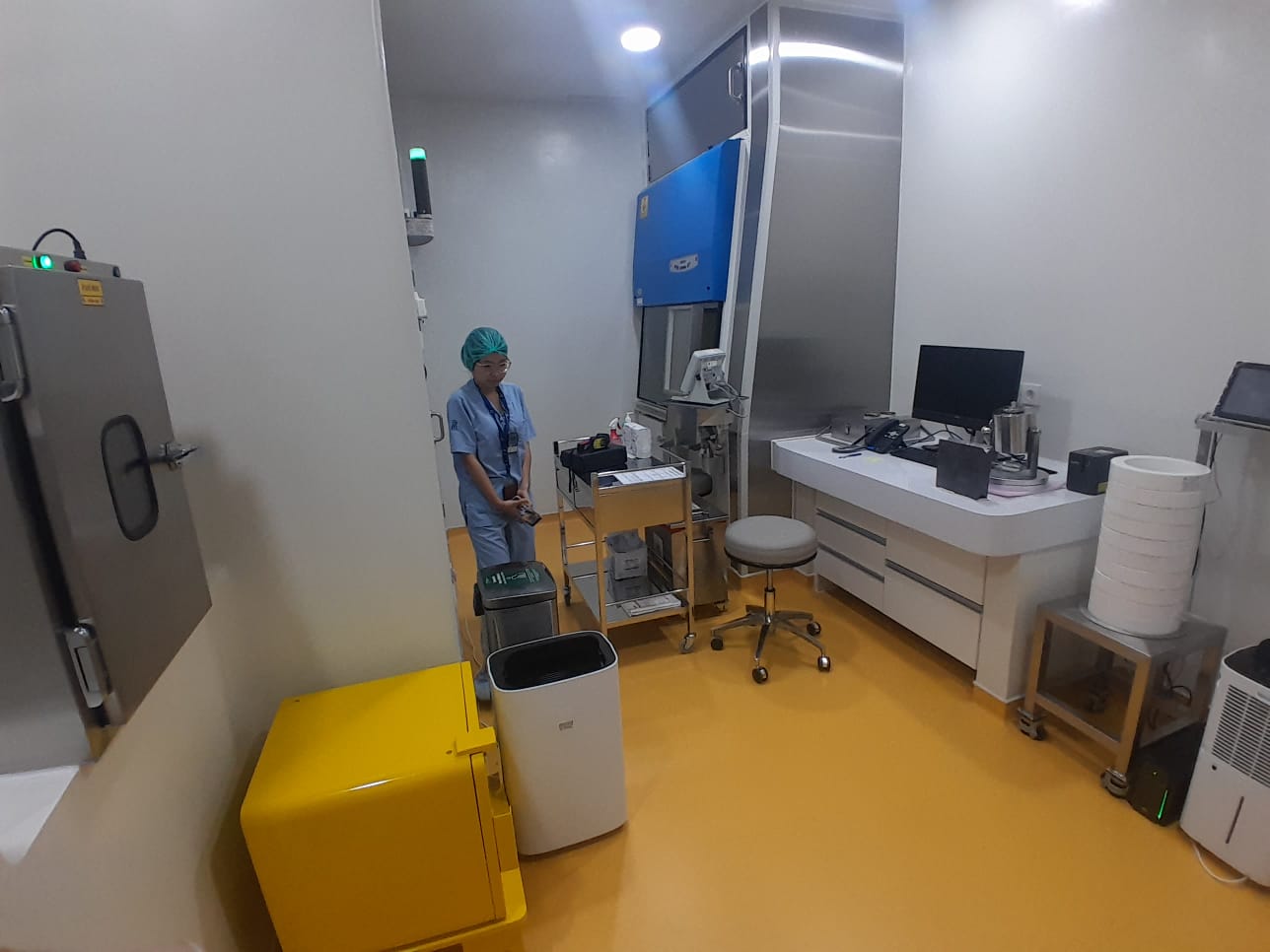
The verification for the in vivo diagnostic nuclear medicine facility at BIH utilized a Siemens Biograph Vision 450 PET CT with an F-18 FDG source and a Siemens Symbia Pro.specta X3 SPECT CT with Tc-99m and I-131 sources. The verification for the radioisotope and radiopharmaceutical production facility at Abdul Wahab Sjahranie Hospital utilized an IBA Cyclone Kiube Cyclotron.
The scope of on-site inspections includes document and technical review to determine the suitability of the constructed facility design and the adequacy of the radiation barrier thickness in the Radionuclide/Radiopharmaceutical Preparation, Enumeration, and Storage Room, equipped with a fume hood, according to standards; the Radiopharmaceutical Administration Room for Patients; the Patient Imaging Room; the Patient Room after Radiopharmaceutical Administration; the decontamination room; the temporary storage and processing room for radioactive waste before disposal; the patient waiting room after radiopharmaceutical administration; and the dedicated toilet for patients after radiopharmaceutical administration in the Nuclear Medicine In Vivo Diagnostics facility. The inspections also ensure the performance of the main and supporting equipment; measure radiation exposure; ensure patient flow and personnel capability in operating PET CT and SPECT CT machines meet standards; and inspect protective equipment.
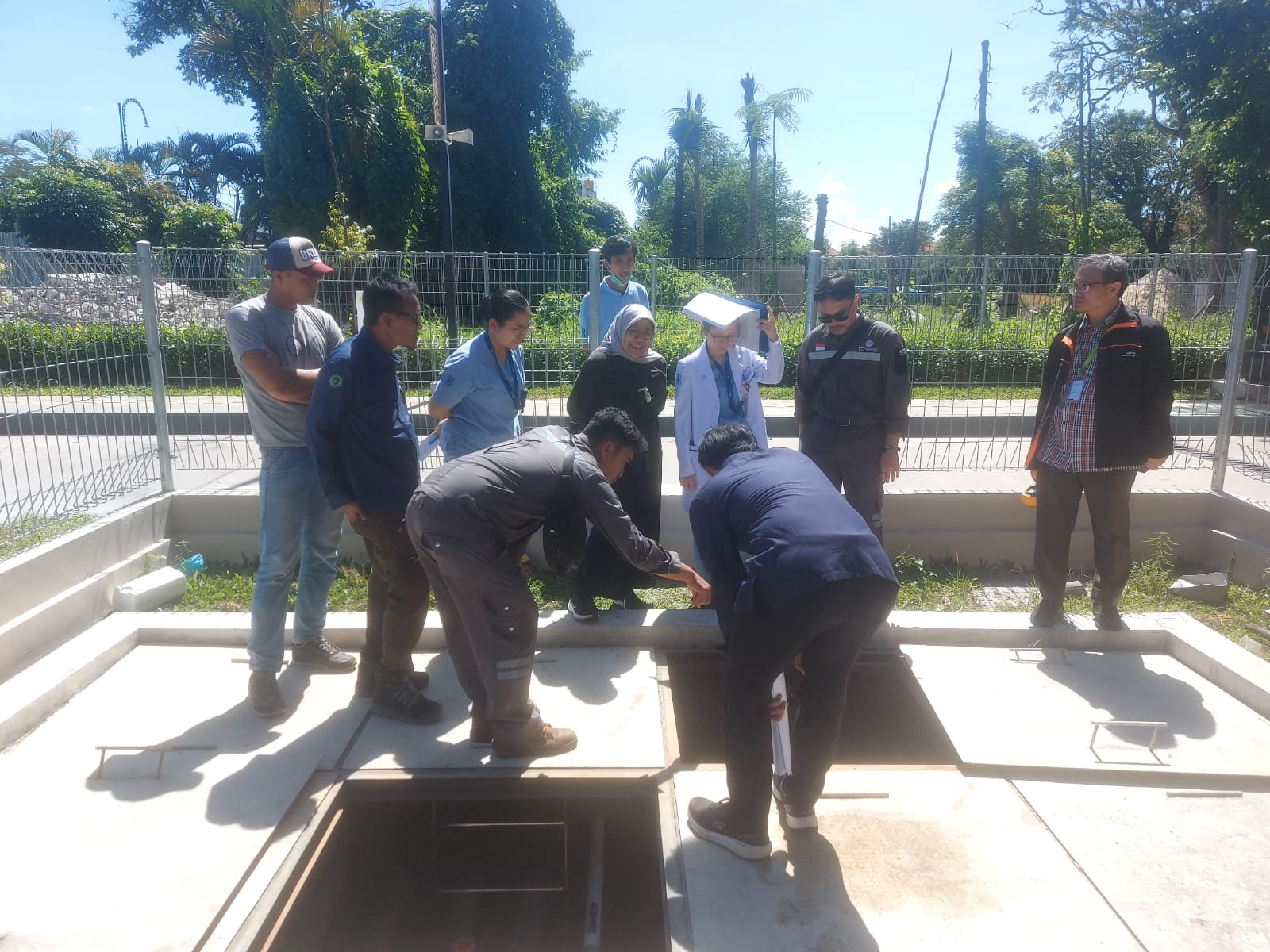
Specifically for radioisotope and radiopharmaceutical production facilities, additional inspections beyond the cyclotron bunker include commissioning tests of the cyclotron machine; bombardment tests of radioisotope production and the radiopharmaceutical synthesis process in the hot cell; quality control of radioisotope and radiopharmaceutical production results; the cyclotron's safety and operating systems; radiation exposure measurements in facilities and quality control equipment; inspection of waste treatment systems (solid, liquid, and gas); inspection of radiation protection equipment and tools; and personnel inspections.
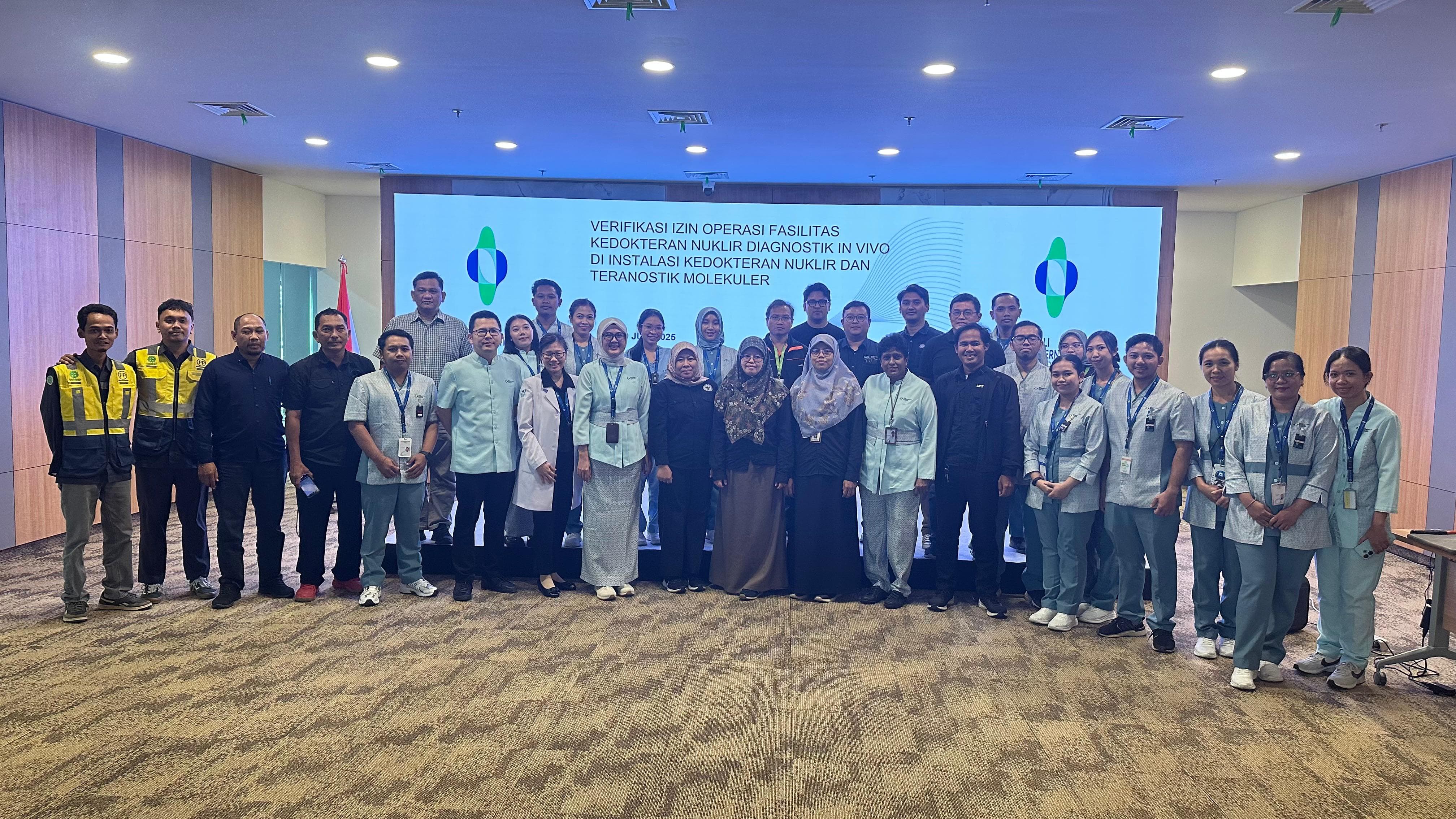
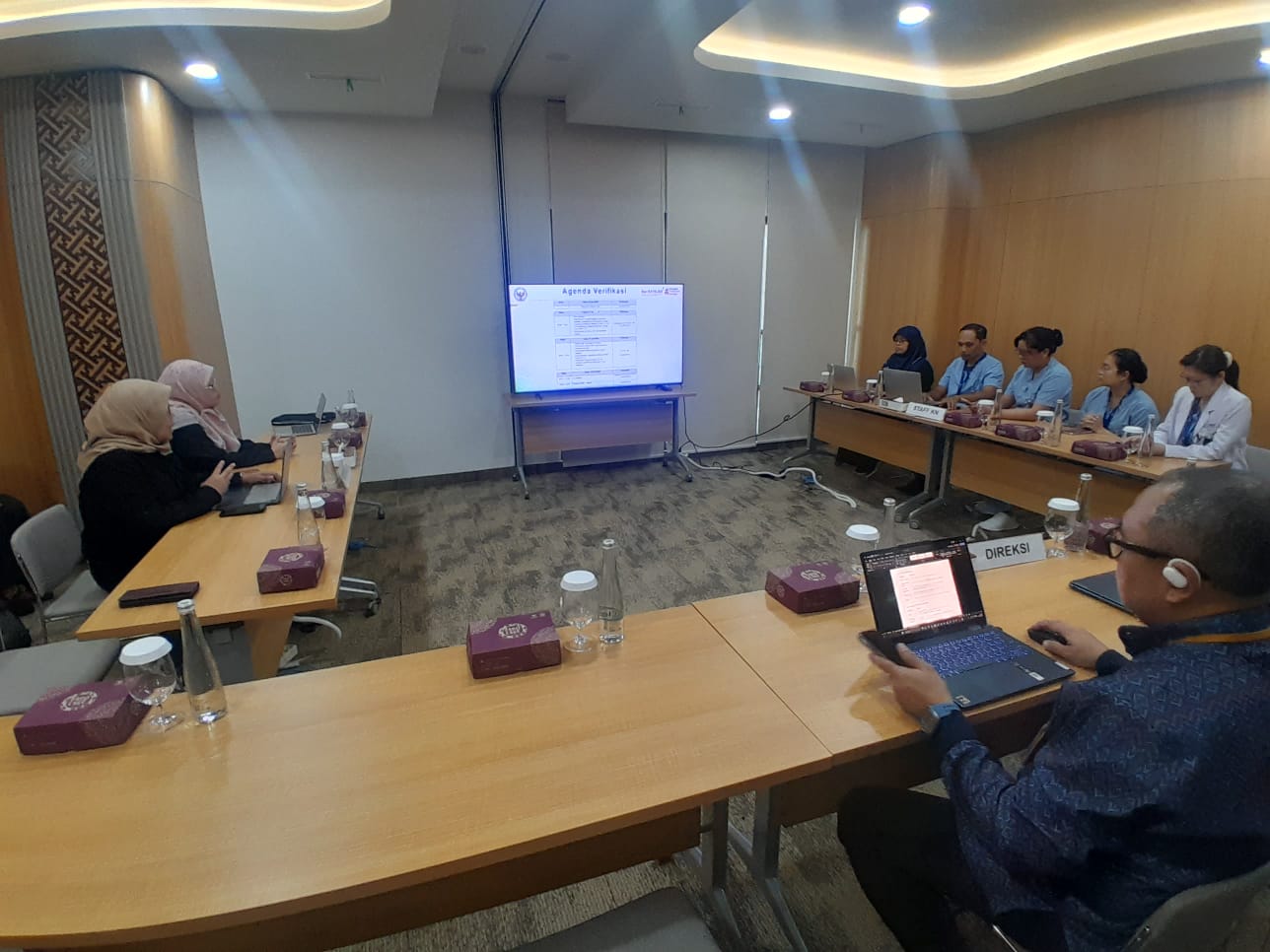
Based on the verification results of the operating permit for in vivo diagnostic nuclear medicine services and the operating permit for radioisotope and radiopharmaceutical production facilities originating from the cyclotron, the hospital is committed to completing the findings submitted by the BAPETEN team within a specified timeframe. The smooth verification process was supported by the hospital's participation and positive response to the process. Any deficiencies were considered as input and technical suggestions for ensuring compliance with radiation safety standards in accordance with applicable regulations and standards.
The addition of nuclear medicine facilities at Bali International Hospital will improve the quality of healthcare services in Indonesia, meeting international standards, and establish Indonesia as a global healthcare tourism destination. By combining healthcare tourism and high-quality medical treatment, BIH is expected to attract tourists and patients from abroad to Indonesia.
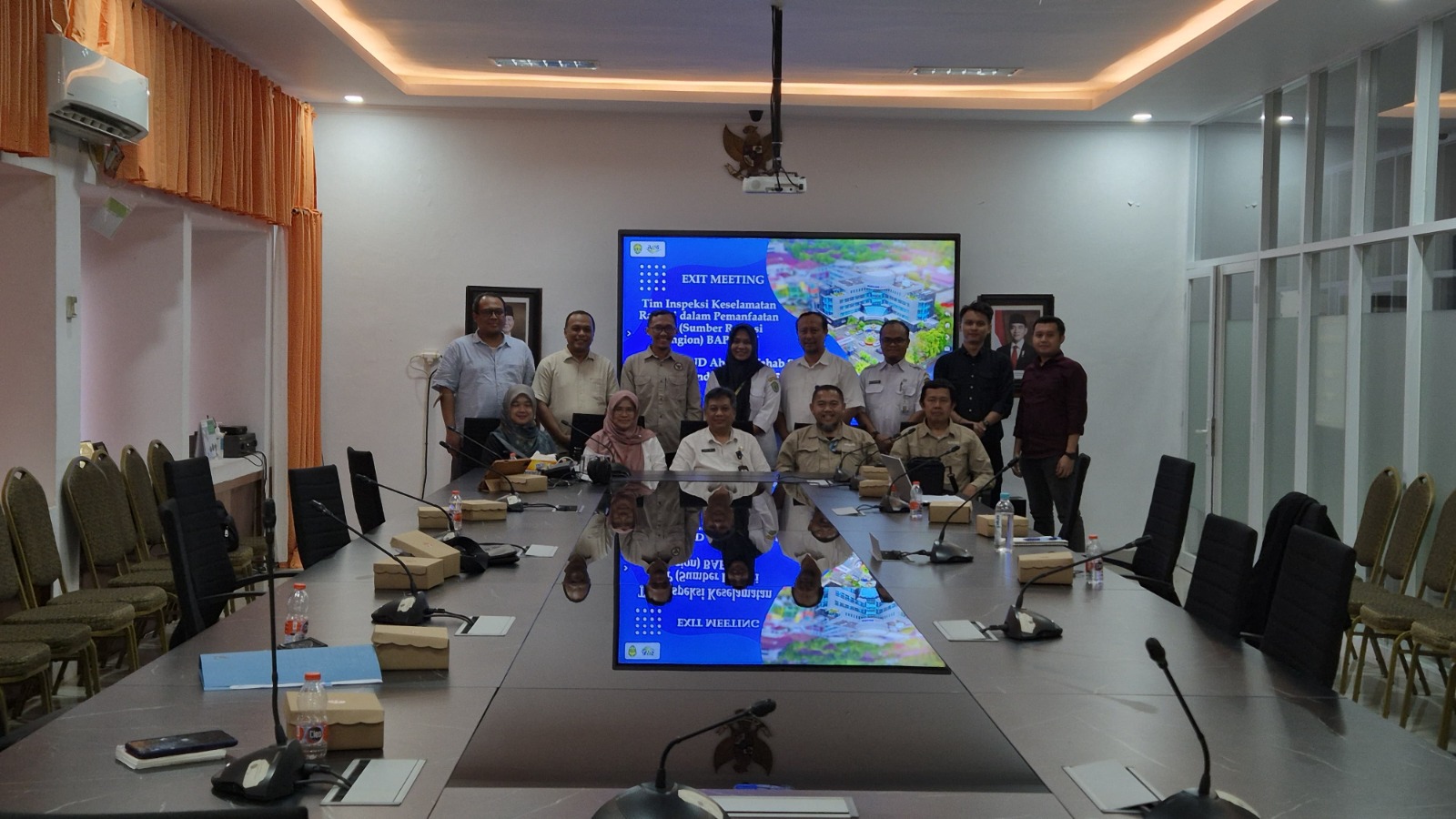
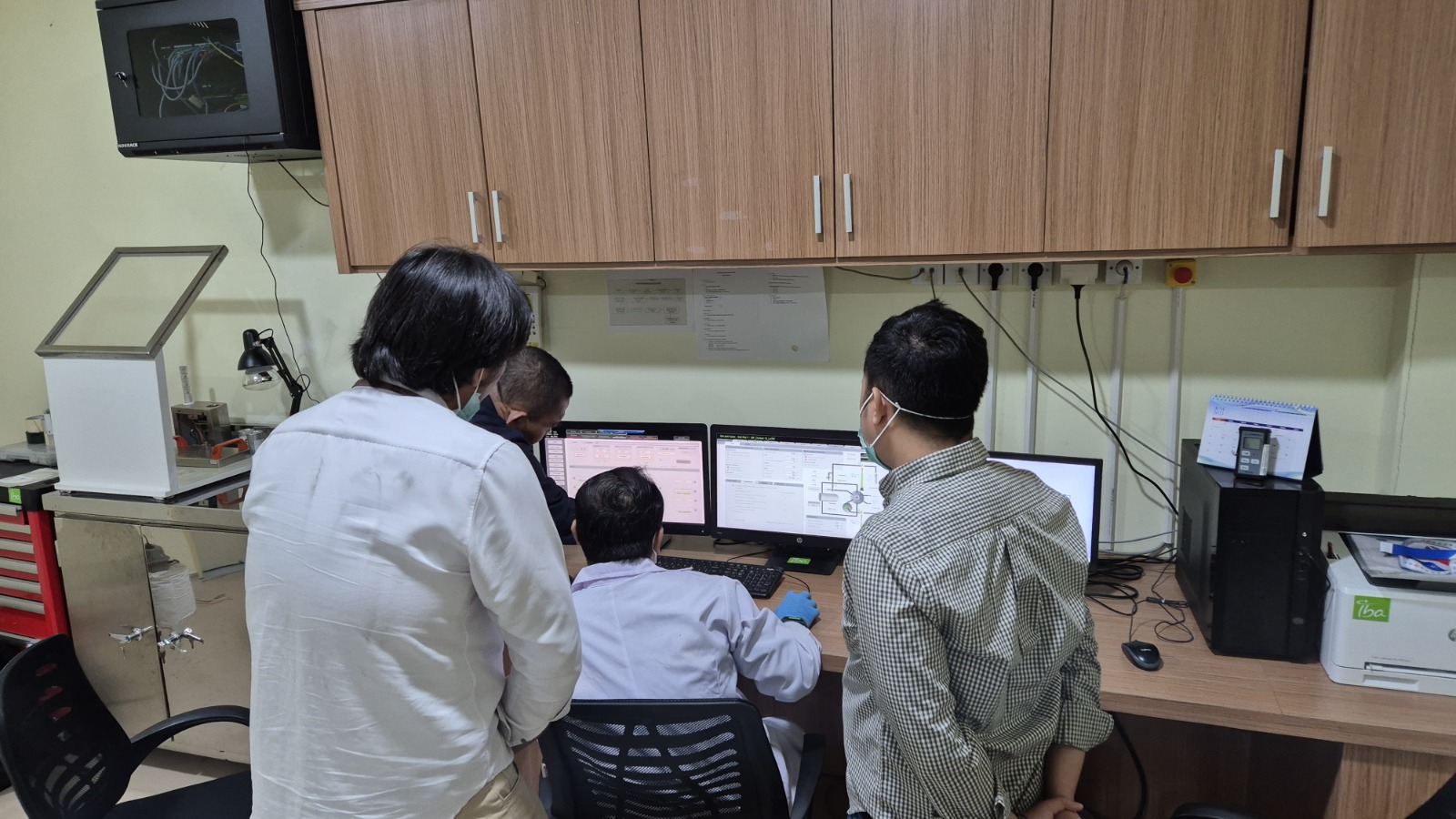
Through the ongoing verification process for the cyclotron operating permit at Abdul Wahab Sjahranie Regional Hospital, it is hoped that this will be a major step for Abdul Wahab Sjahranie Regional Hospital in improving medical facilities in Kalimantan, particularly in meeting the need for F-18 radioisotope production to meet the needs of nuclear medicine facilities in hospitals, thereby enabling them to provide high-quality healthcare services that were previously difficult for the community in the area to access. [BHKK/CD/DPFRZR/Dwiangesti/Translator: GP]









Komentar (0)