Tabletop Exercise on Nuclear Security Detection and Response
Kembali 08 Mei 2025 | Berita BAPETEN | 553 lihat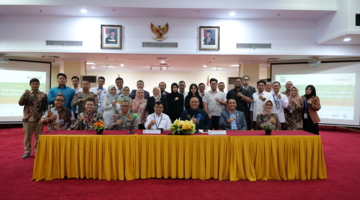
As a commitment to ensuring nuclear security detection and response to activities involving nuclear/radioactive materials outside the control of supervisors, the BAPETEN Education and Training Division held a Tabletop Exercise (TTX) on Nuclear Security Detection and Response at the BAPETEN Office in Jakarta on May 6-8, 2025. Participants included representatives from the Ministry of Foreign Affairs, the Indonesian National Police, the Maritime Security Agency, Customs and Excise, the State Intelligence Agency, and BAPETEN. Prior to the commencement of this series of activities, a preparatory meeting was held the day before between BAPETEN and Hafidz Attan from the Malaysian Atomic Energy Agency, representing the International Atomic Energy Agency (IAEA), acting as an observer.
On the first day of the training, the agenda began with remarks from Hafidz, who stated that this exercise was part of a series of regional training sessions (Multilateral Exercises on Nuclear Security Detection) involving four countries: Thailand, Malaysia, Singapore, and Indonesia, which would be held in Johor, Malaysia, in July 2025. Indonesia is now the first country to hold a national TTX, as the IAEA recommended that each country also conduct one. The results of each country's training will then be brought to the regional level.
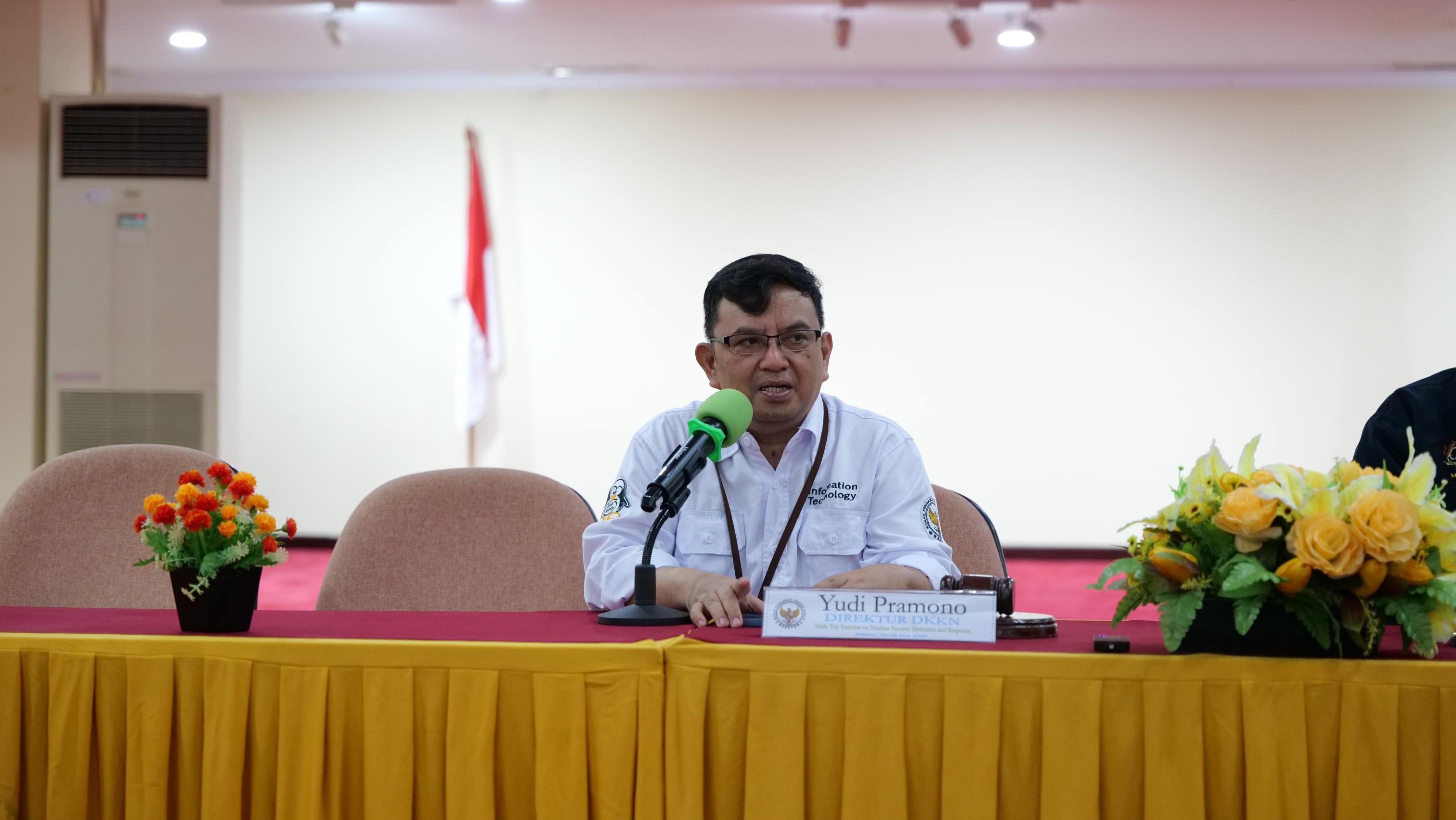
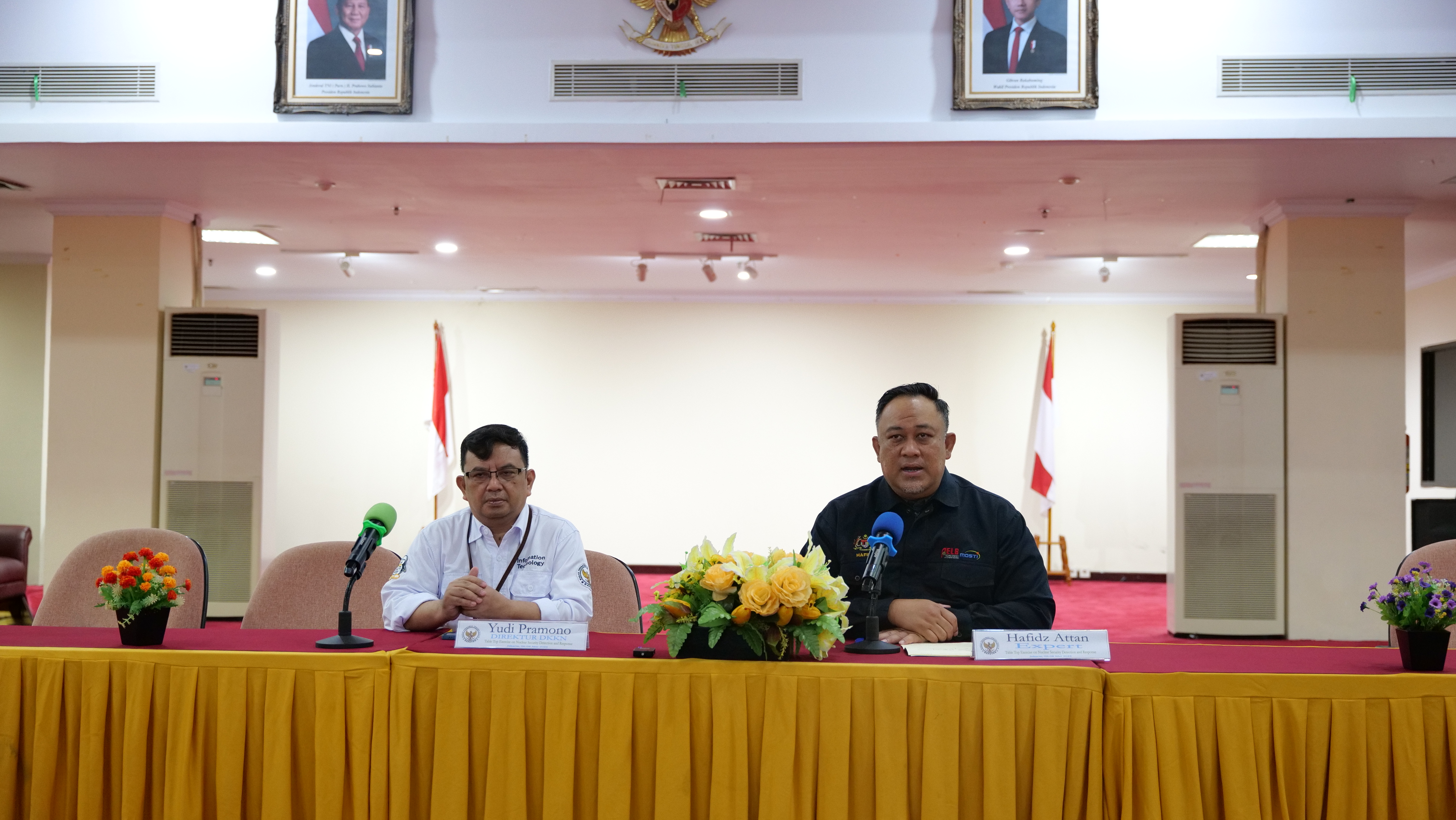
Furthermore, Judi Pramono, Director of Technical Support and Nuclear Emergency Preparedness at BAPETEN, in his remarks stated that this training aims to assess Indonesia's preparedness for a cross-border nuclear emergency, including guidelines, procedures, clarity of roles and responsibilities of each institution, coordination, equipment preparation, and other matters.
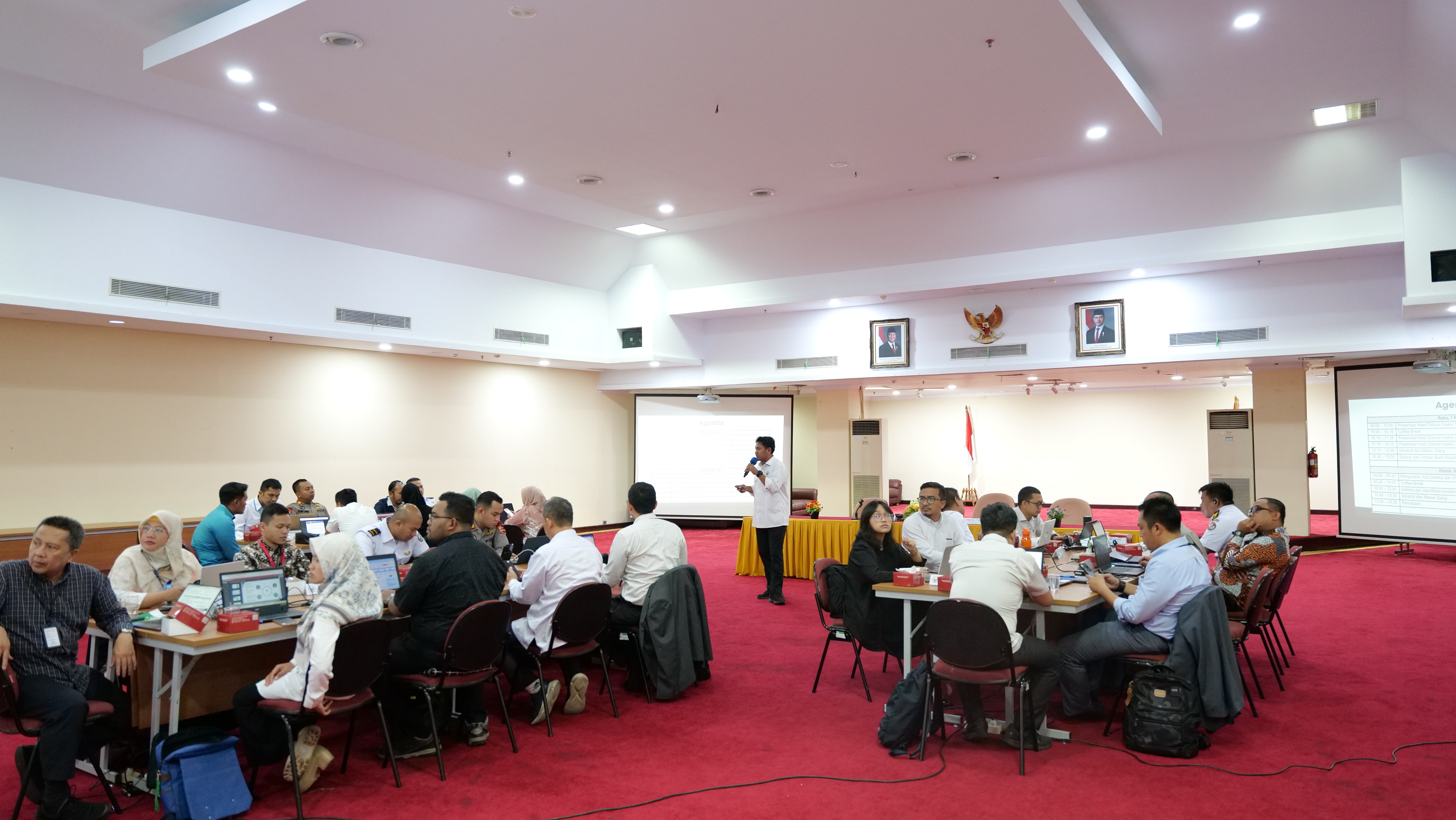
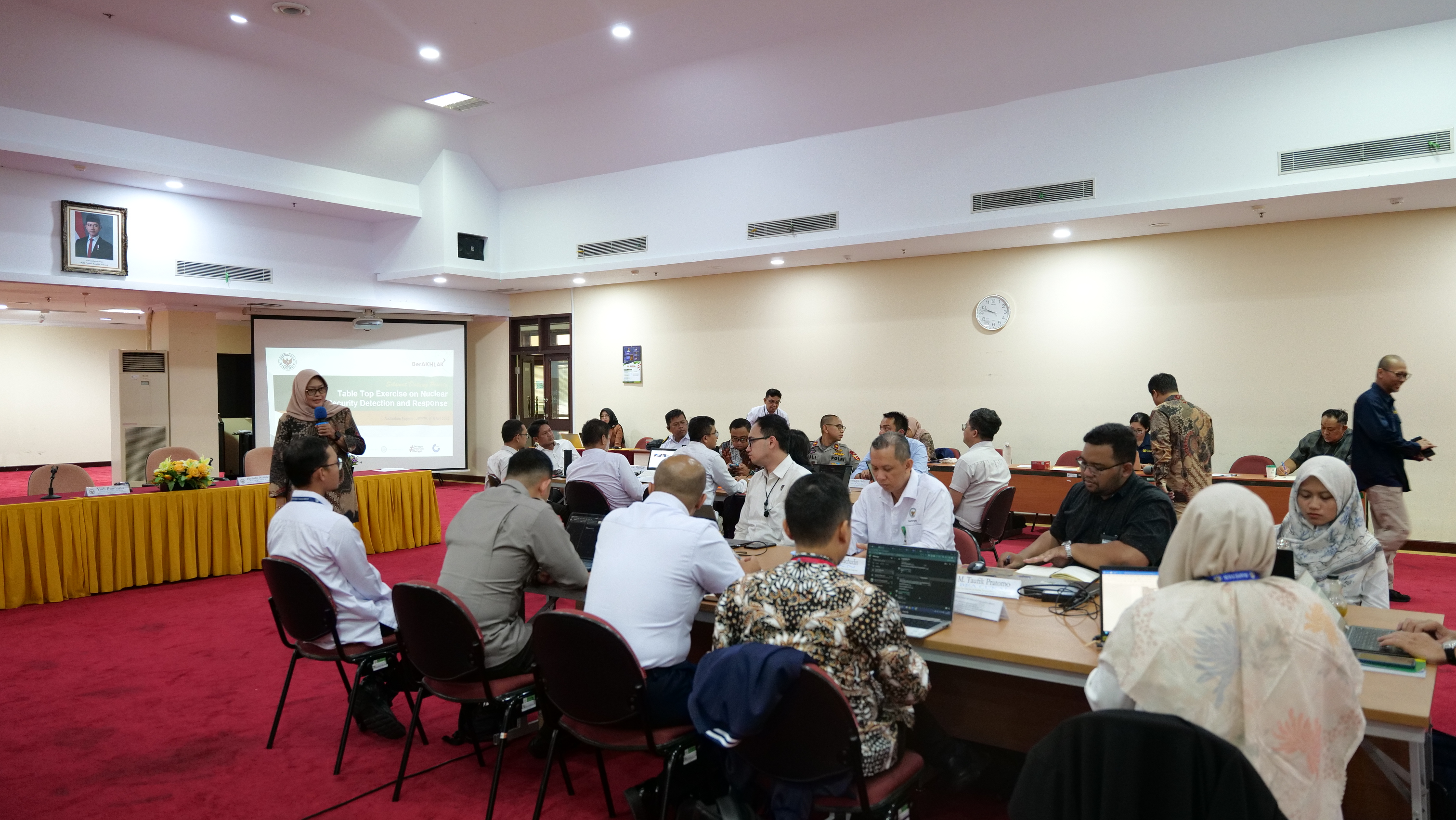
On the first day, three injections were conducted using the scenario of the theft of four radiography cameras belonging to an Indonesian company operating in Thailand. The radioactive sources have potentially been dismantled and could be used in radiological exposure devices (RES). The radioactive sources are then transported to various regional border crossings. This scenario will demonstrate the role of each Indonesian government agency in handling these radioactive sources.
On the second day of the training, participants, divided into three groups, presented their responses to the scenario presented on the first day. The discussion covered, among other things, inter-agency coordination, radioactive source tracing strategies, regulations, and the capabilities of the agencies involved. On the final day of the training, practical training on radioactive source detection and identification took place in Indonesian maritime locations.
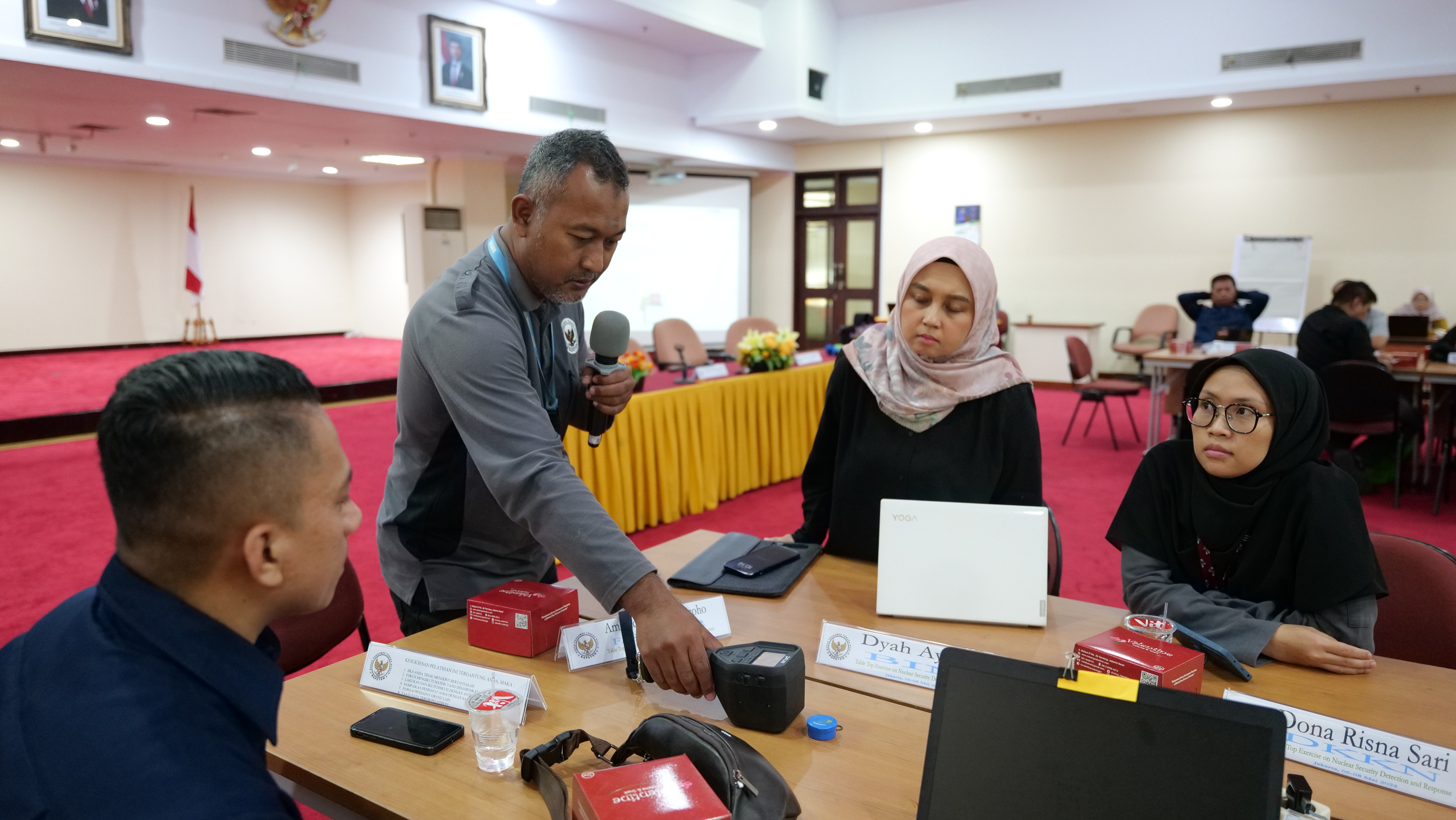
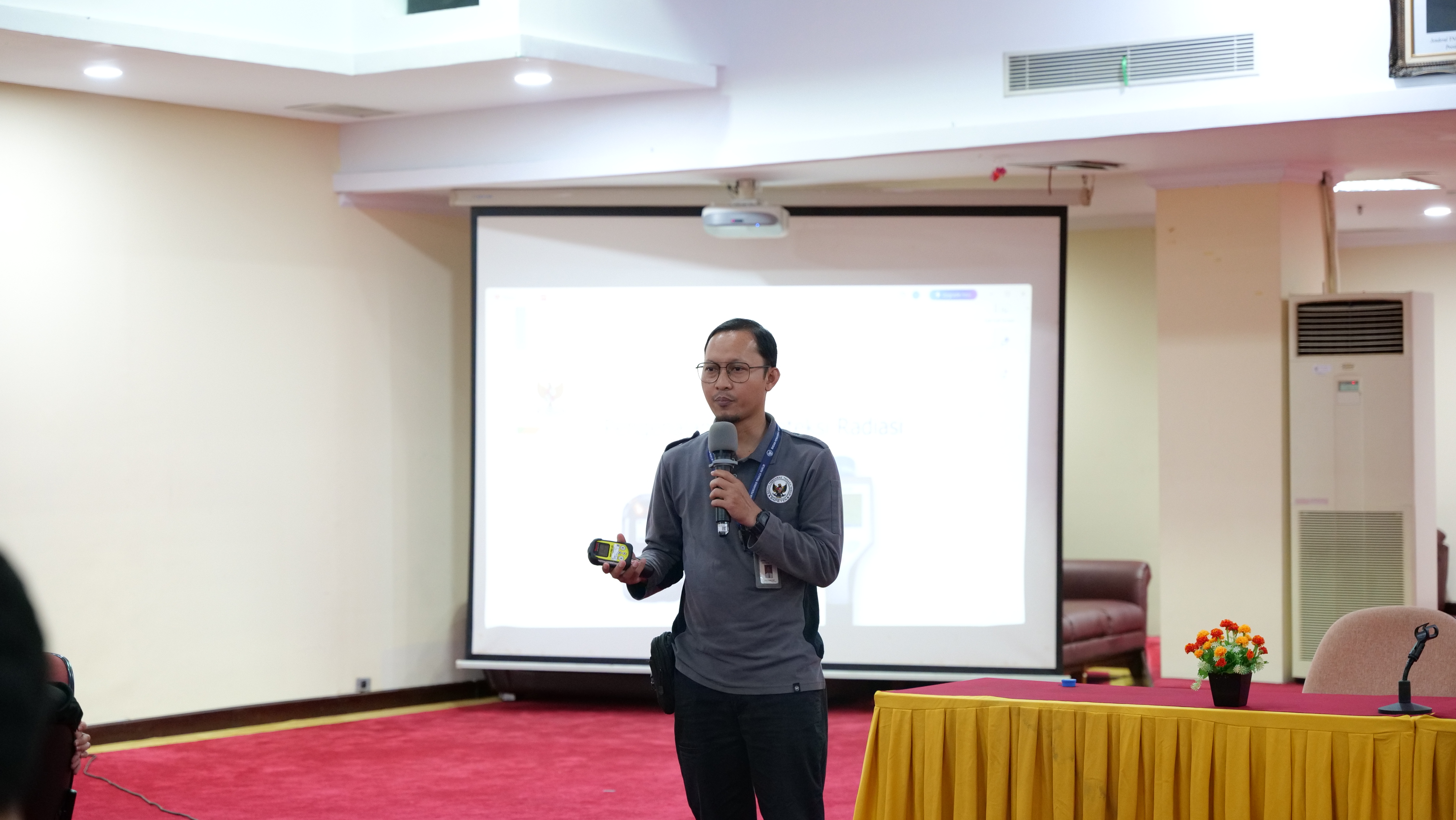
In closing, Hafidz expressed his appreciation for the participants' role and participation in the training. He also emphasized that the threat of nuclear misuse is real and, if not addressed appropriately, will only worsen the situation. Judi further expressed his expectation that through this TTX activity, Indonesia will be able to improve its capabilities and provide the necessary tools to develop integrated nuclear security detection procedures among relevant frontline officers. (BHKK/Ra/Da/Translator: GP)











Komentar (0)