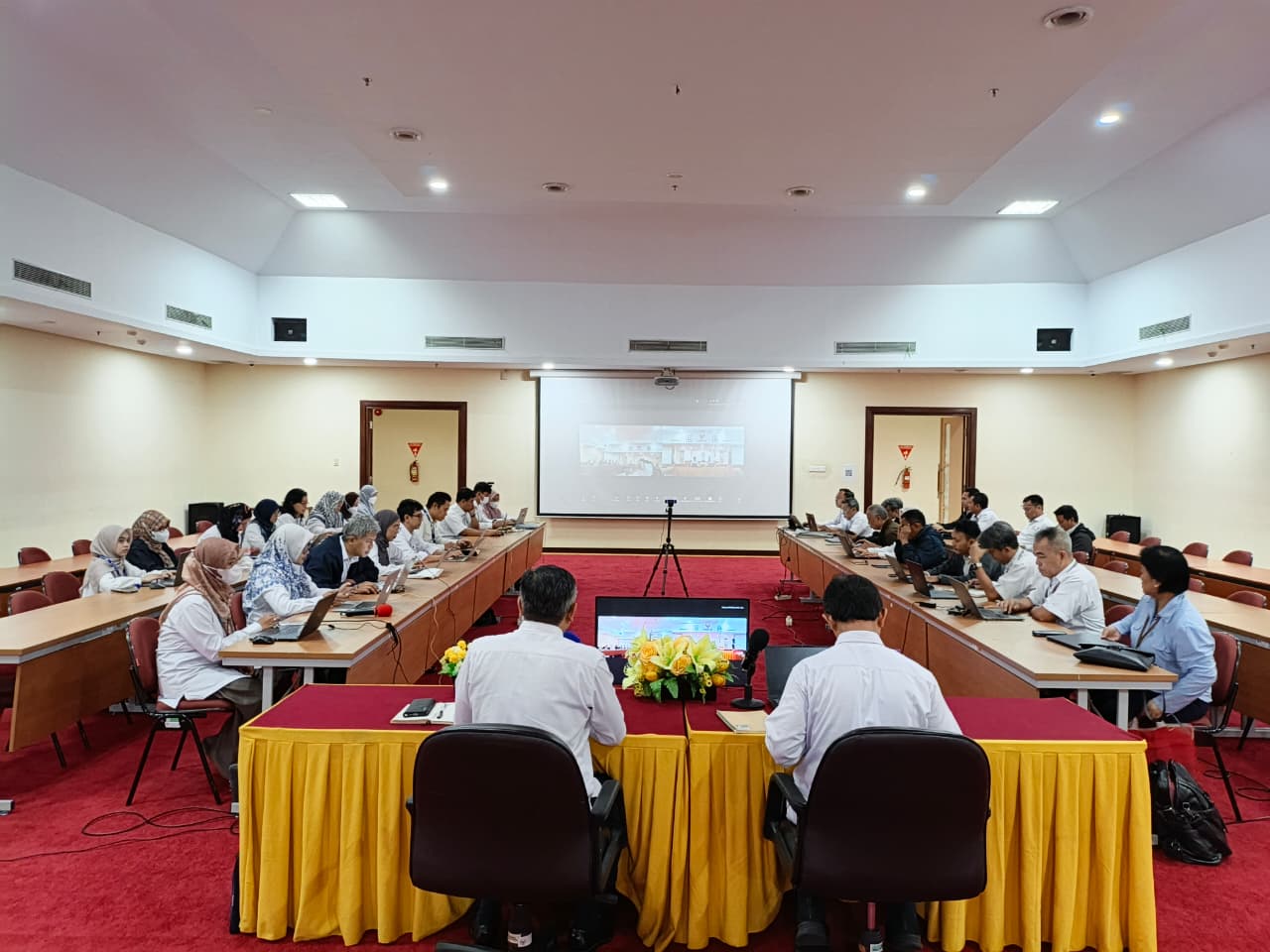
The draft regulation is prepared to strengthen the governance of radioactive waste management so that it becomes more comprehensive and aligned with regulatory developments as well as institutional dynamics. The implementation of the regulation is expected to be effective through meaningful participation and collaboration among stakeholders. The meeting was attended by representatives from BAPETEN, the Ministry of State Secretariat, the Ministry of Law, the Ministry of Health, the Ministry of Industry, the Ministry of Energy and Mineral Resources, the Ministry of Environment/BPLH, the Ministry of National Development Planning/Bappenas, and BRIN.
The 1st PAK Meeting Discusses the Draft Government Regulation to Replace Government Regulation No. 61/2013 on Radioactive Waste Management
Kembali 02 Maret 2026 | Berita BAPETEN | 762 lihat
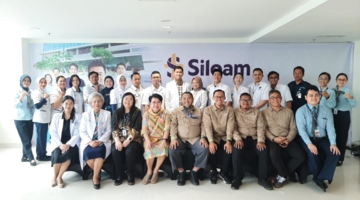
The Directorate of Regulation of Radiation Facilities and Radioactive Substances (DP2FRZR) of BAPETEN organized the 1st Inter-Ministerial Committee Meeting (PAK) as part of the preparation of the Draft Government Regulation (RPP) to replace Government Regulation No. 61 of 2013 on Radioactive Waste Management on Monday, March 2, 2026. The meeting was held in a hybrid format, both in person and online, and was attended by various stakeholders.
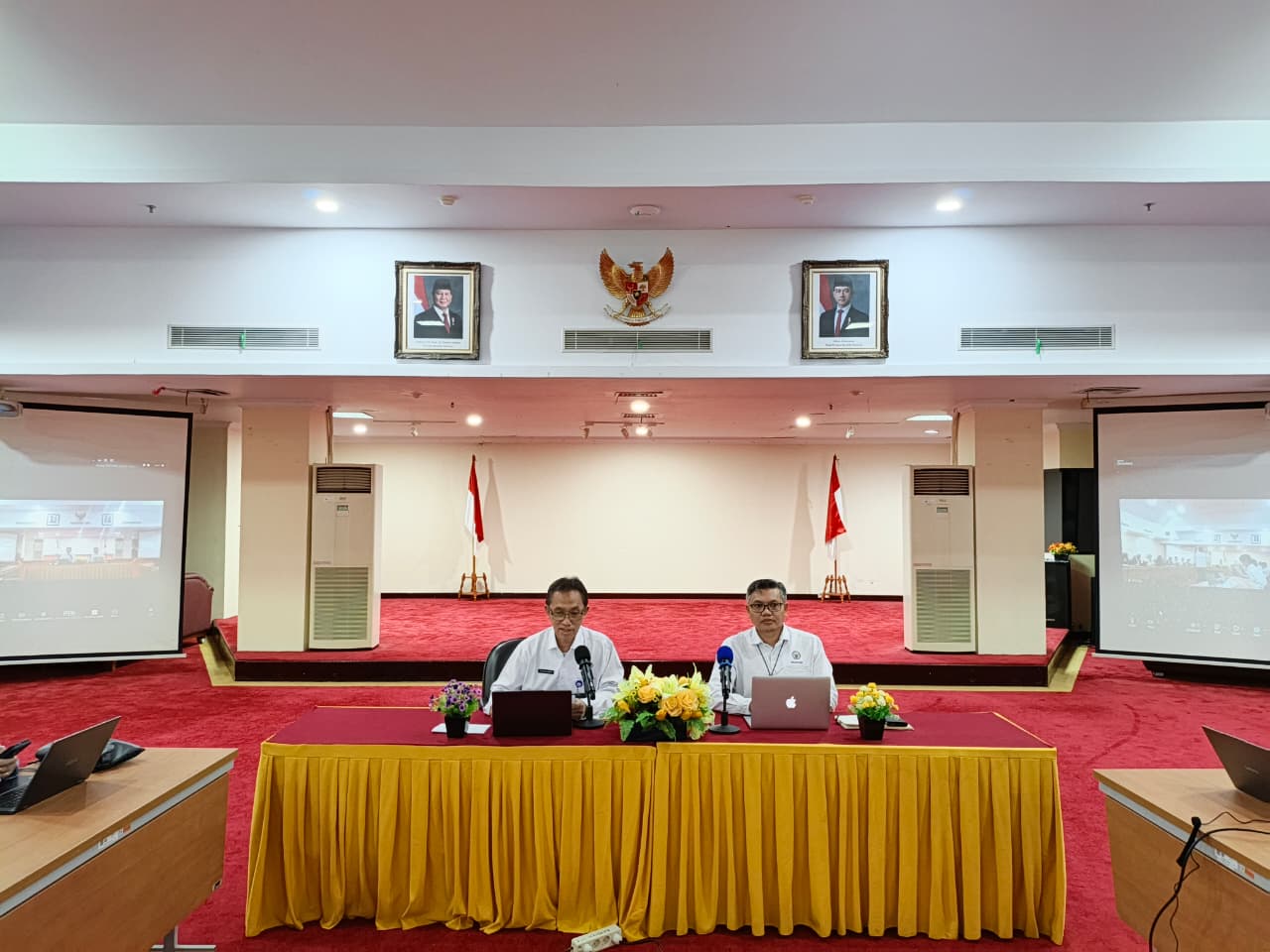
Director of DP2FRZR Mukhlisin, in his remarks, stated that in 2026 BAPETEN is committed to finalizing the preparation of the Draft Government Regulation (RPP), which has been underway since 2024 and has been included in the 2026 National Legislation Program (Prolegnas). He emphasized the importance of active participation from ministries and agencies so that the regulation can be implemented effectively and accountably.
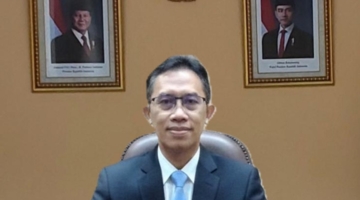
Deputy Chairman for Nuclear Safety Assessment (PKN) of BAPETEN, Haendra Subekti, who officially opened the meeting, emphasized that the RPP is expected to serve as a comprehensive foundation for radioactive waste governance. “This RPP will regulate radioactive waste management from upstream to downstream, including waste from activities outside regulatory control. The regulation must be able to address the increasing volume of waste, particularly in the health sector,” said Haendra.
He also highlighted the importance of an integrated radioactive waste information system to support data-driven decision making.
Prior to the presentation session, representatives from BRIN expressed support for the revision of Government Regulation No. 61 of 2013, taking into account several issues, including the institutional transition from BATAN to BRIN, the emphasis on the re-export of radioactive waste, the issue of re-processing spent nuclear fuel (BBNB), cases of radioactive contamination in BATAN Indah and Cikande, as well as utilization activities that may generate waste outside BAPETEN’s regulatory oversight.
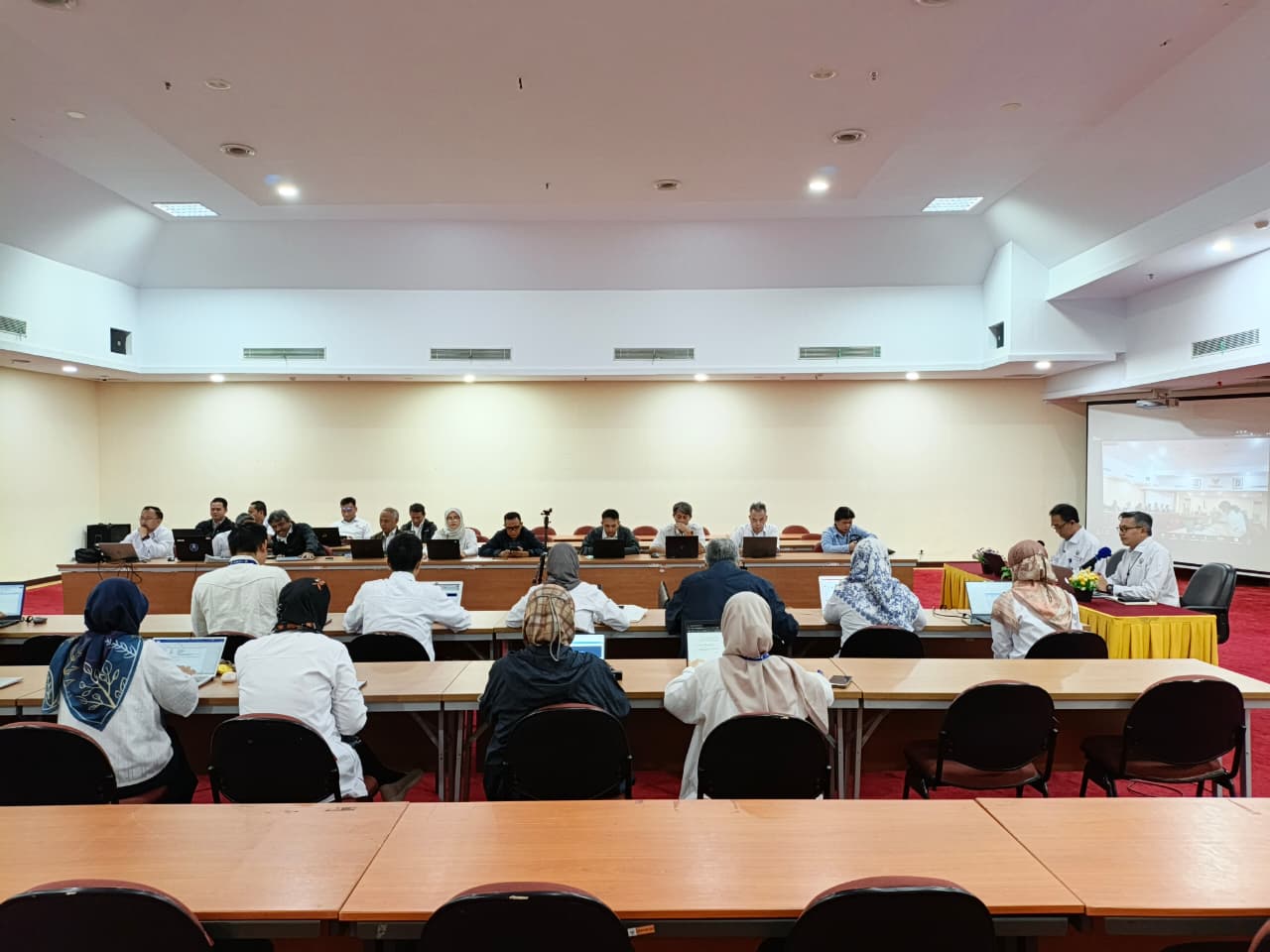
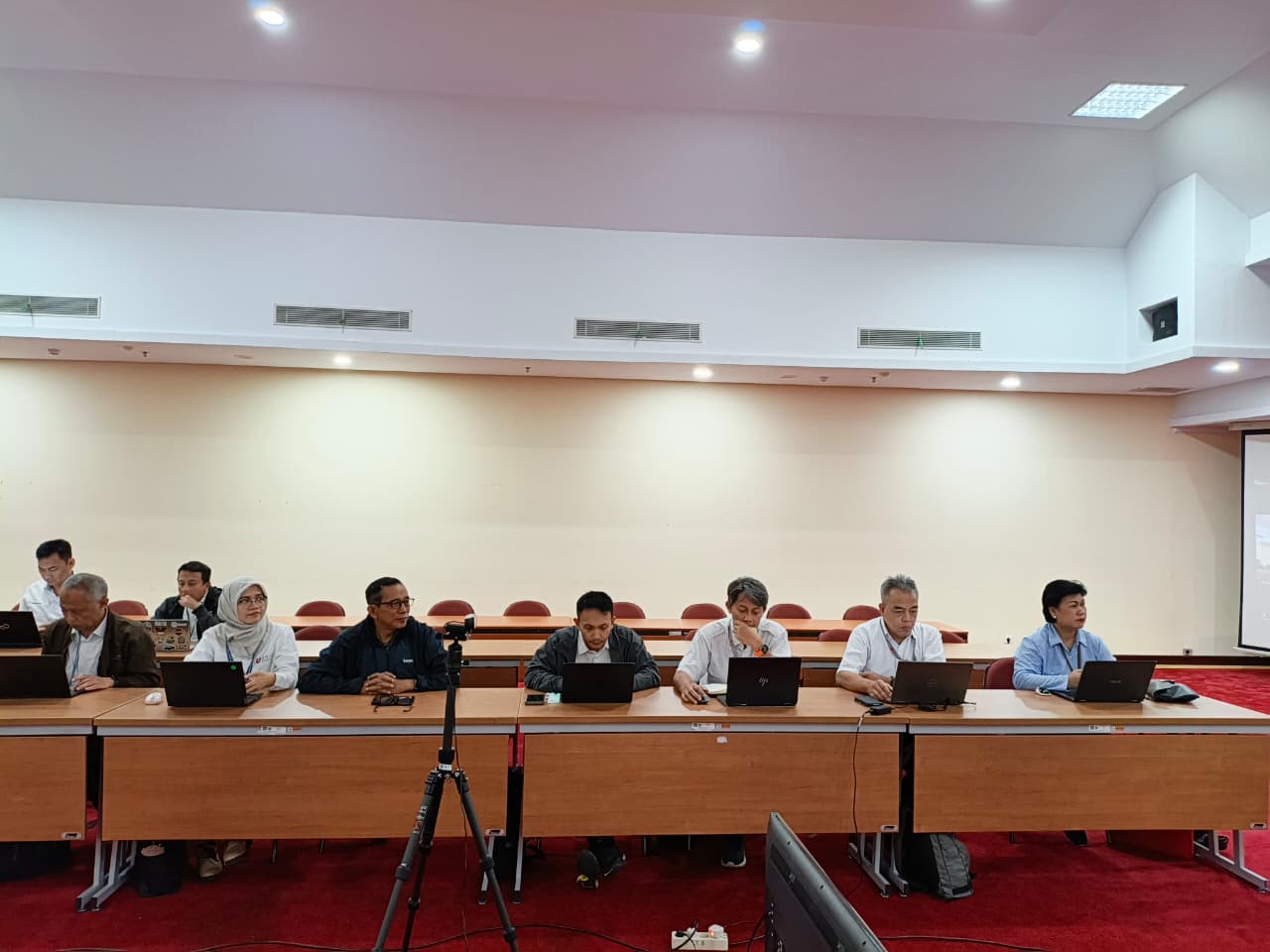
During the discussion, the forum agreed not to accommodate the re-processing of BBNB, taking into account the provisions stipulated in the 123 Agreements. The re-export of radioactive waste is prioritized as a policy. However, under certain conditions where re-export is not possible, the waste may be processed by BRIN in accordance with the applicable regulations.
Representatives from Ministry of Health also expressed support for the preparation of the RPP, considering the rapid development of nuclear medicine and radiology services that require an adequate legal framework.
The Chair of the PAK Team, Vatimah Zahrawati, presented the progress of the RPP preparation, including the timeline and a comparison of the provisions between Government Regulation No. 61 of 2013 and the draft replacement RPP. The RPP regulates the subjects and objects of regulation, as well as the types and facilities of radioactive waste. Radioactive waste management is proposed to be divided into three stages: pre-disposal, final disposal, and long-term storage.
To ensure radiation safety, three main mechanisms are proposed: the safety of radioactive waste management facilities, safety management in radioactive waste management, and the supervision and development of radioactive waste management.
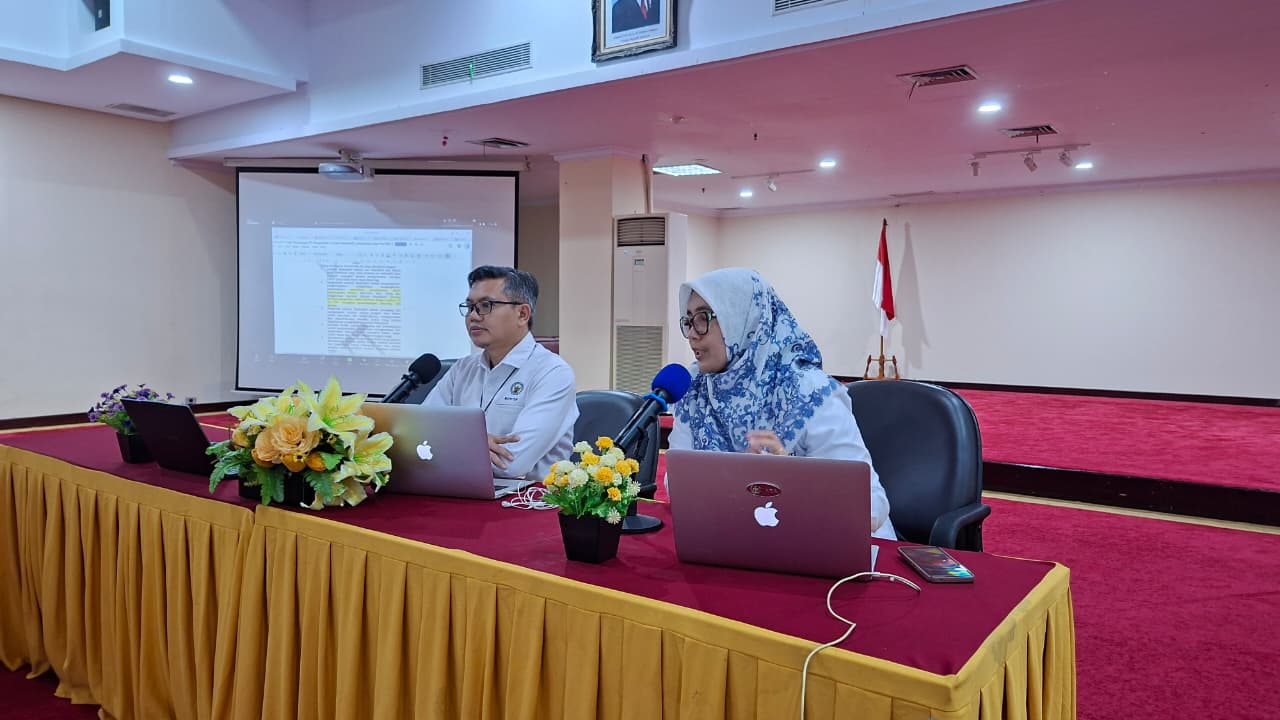
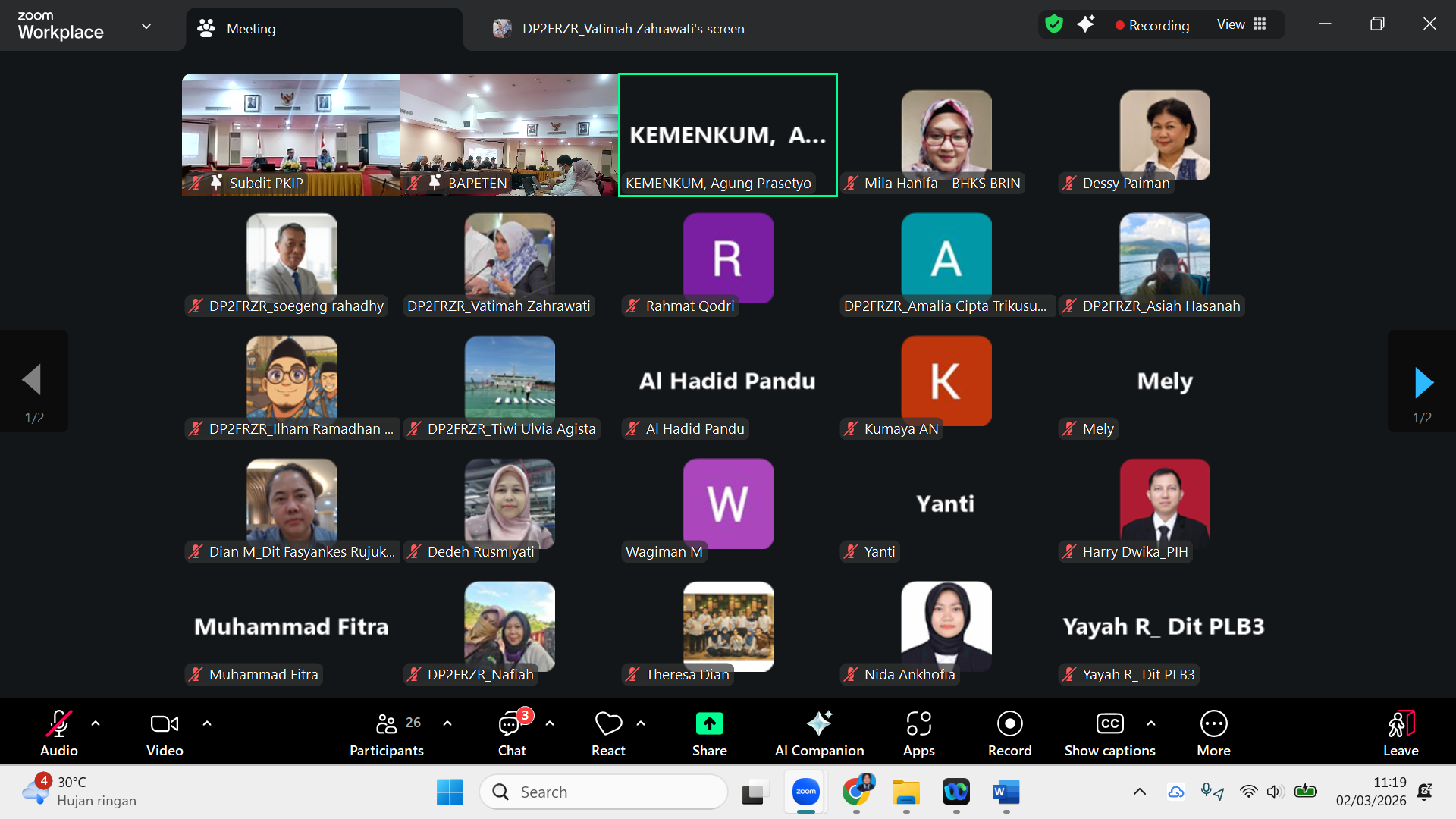
During the discussion session, participants also discussed adjustments to the membership of the PAK team as well as the substance of the articles to ensure alignment with Law No. 10 of 1997 and the Draft Law on Nuclear Energy. It was agreed that the definitions of the Regulatory Body and the Implementing Body will be included in the explanatory section.
Regarding radioactive substances outside regulatory control, the forum emphasized the necessity of the state's presence in handling such cases. In addition, a financial guarantee mechanism was proposed to strengthen the commitment and responsibility of business actors in managing the radioactive waste they generate.
In closing the meeting, Mukhlisin expressed his appreciation for the contributions of all participants and reaffirmed the commitment to finalize the RPP in the 2026 Fiscal Year in accordance with the target. He also emphasized the importance of involving local governments and enhancing public education and outreach to ensure radiation safety and protect future generations. [DP2FRZR/Rizka/BHKK/Da]








Komentar (0)